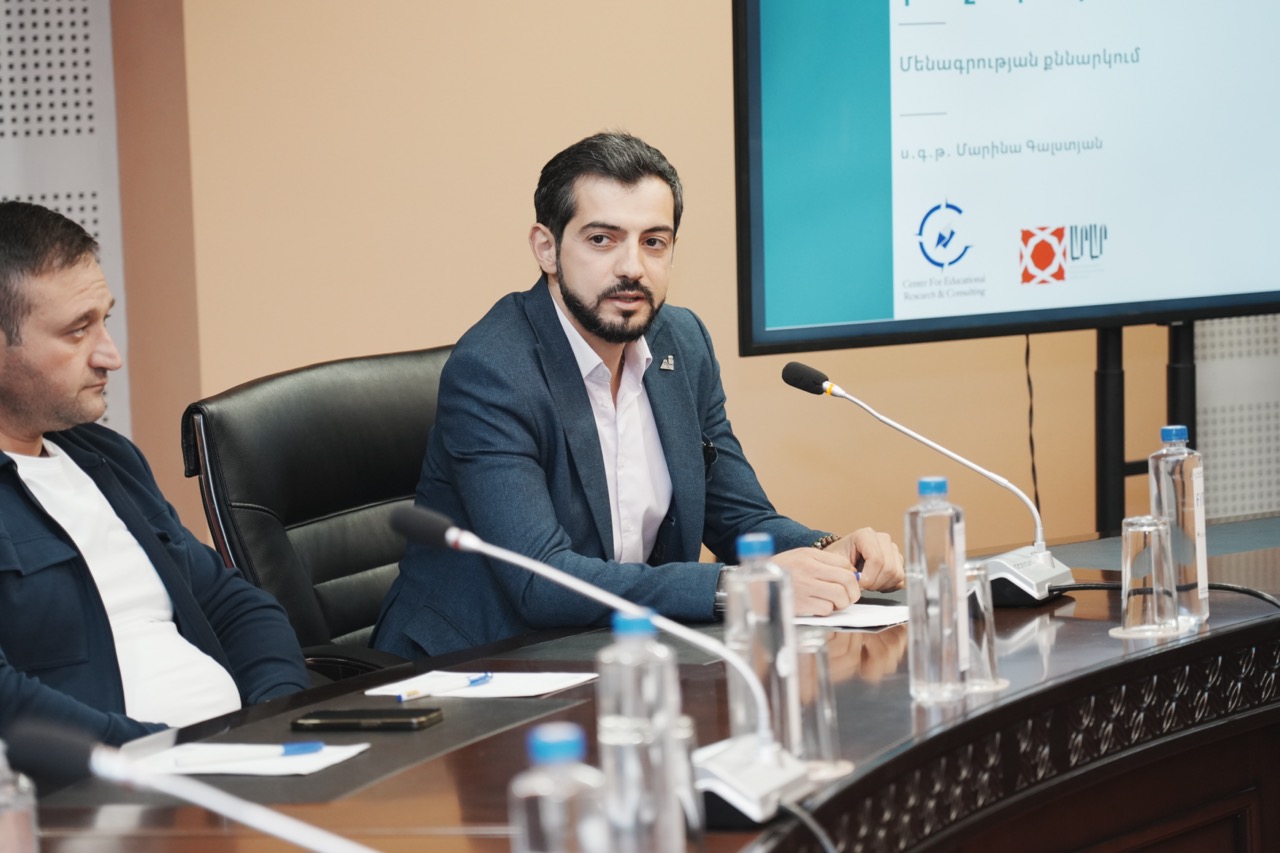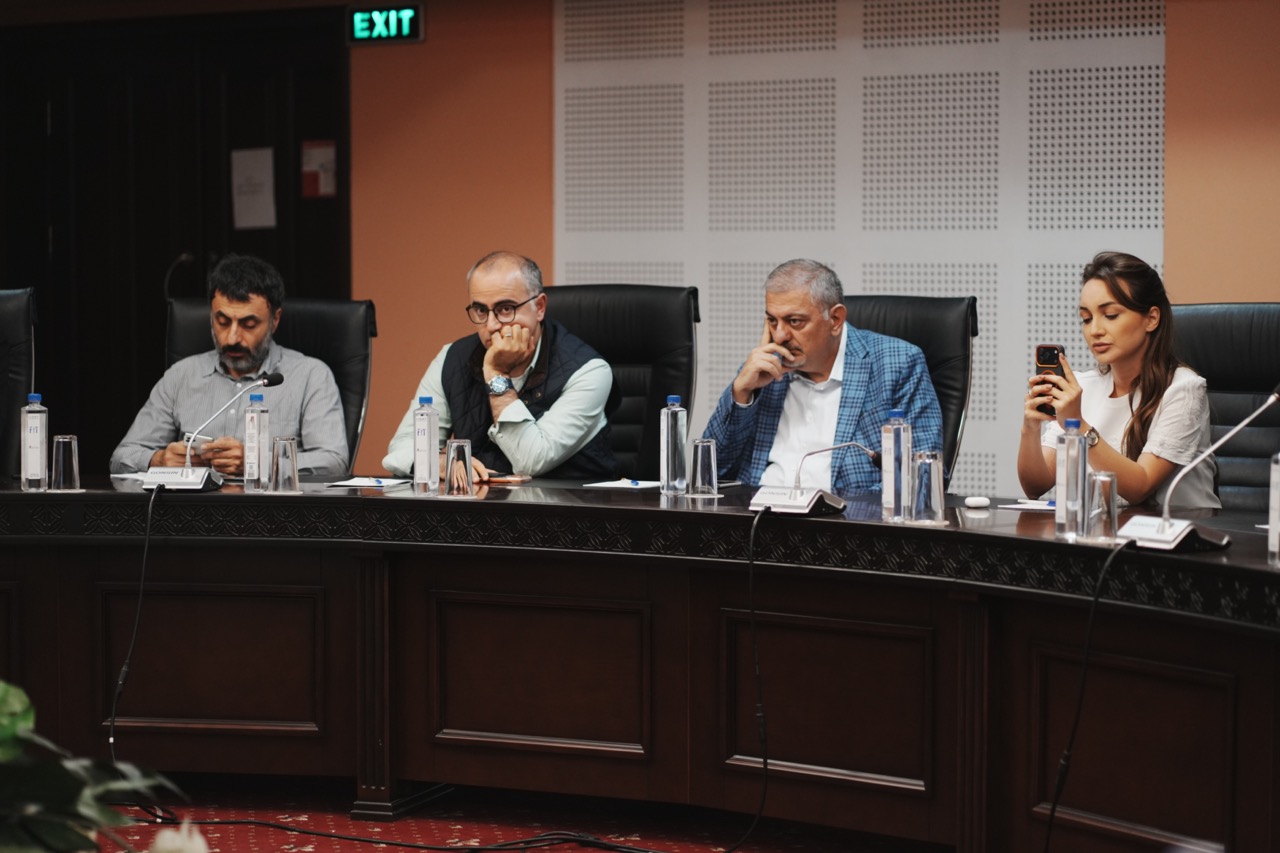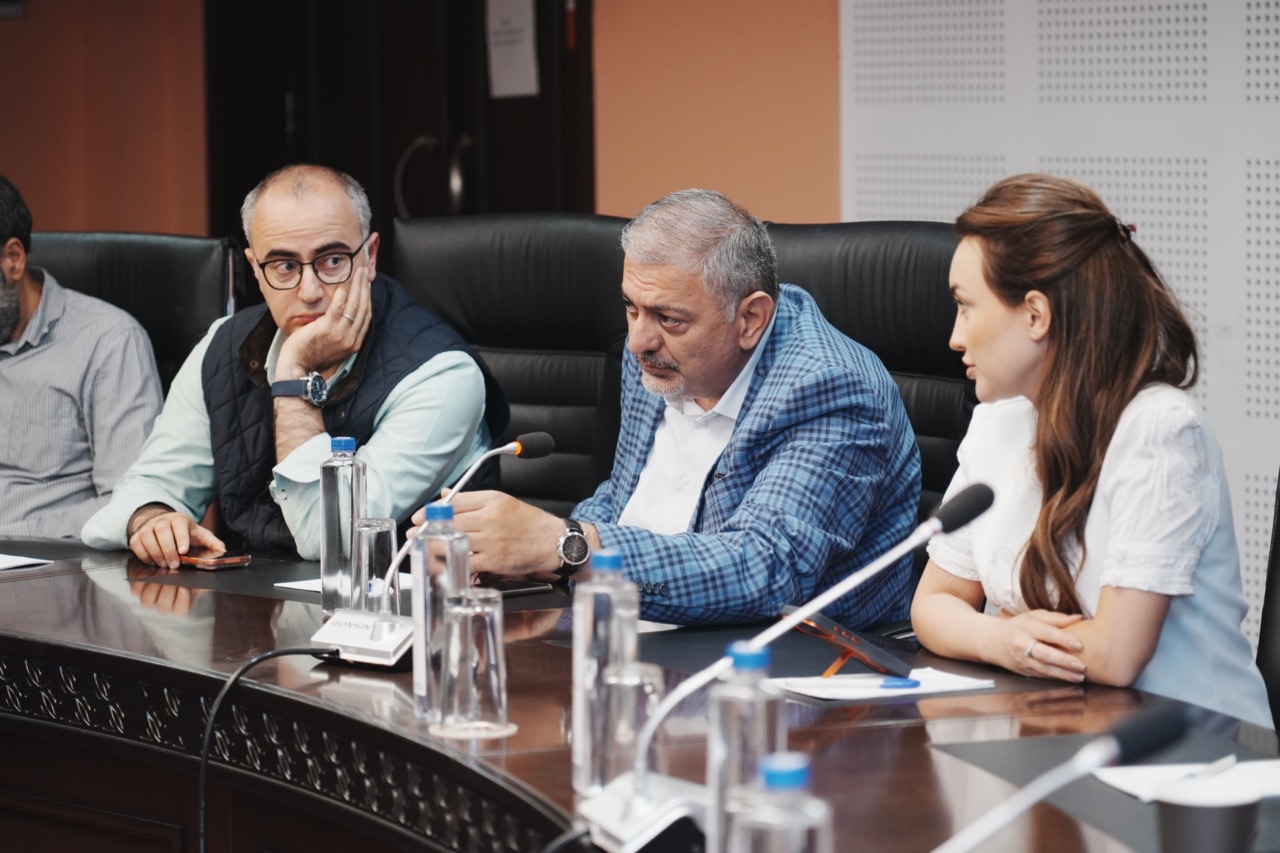
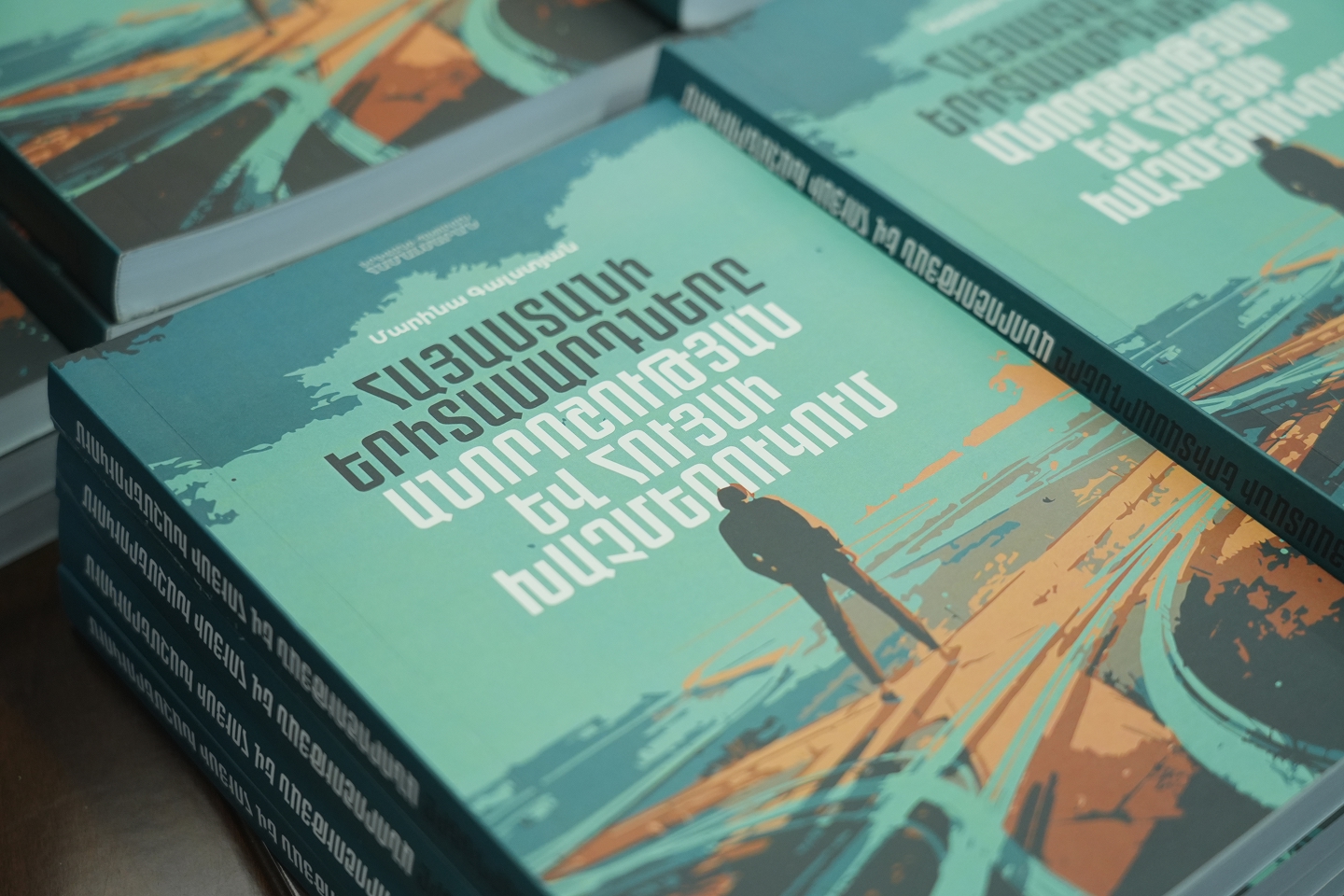
On October 8, sociologist and founder of the Center for Educational Research and Consulting, Marina Galstyan, presented her monograph entitled “Armenia’s Youth at the Crossroads of Uncertainty and Hope.”
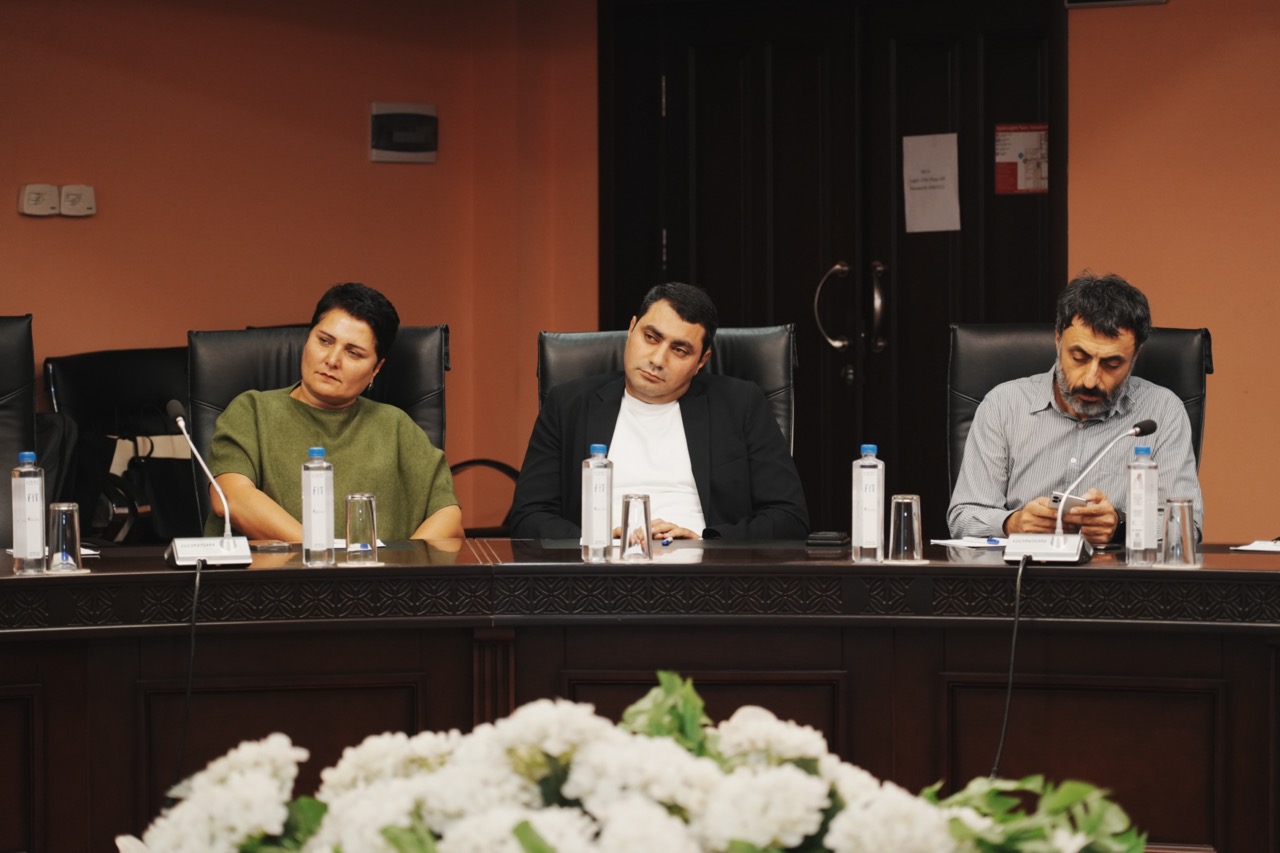
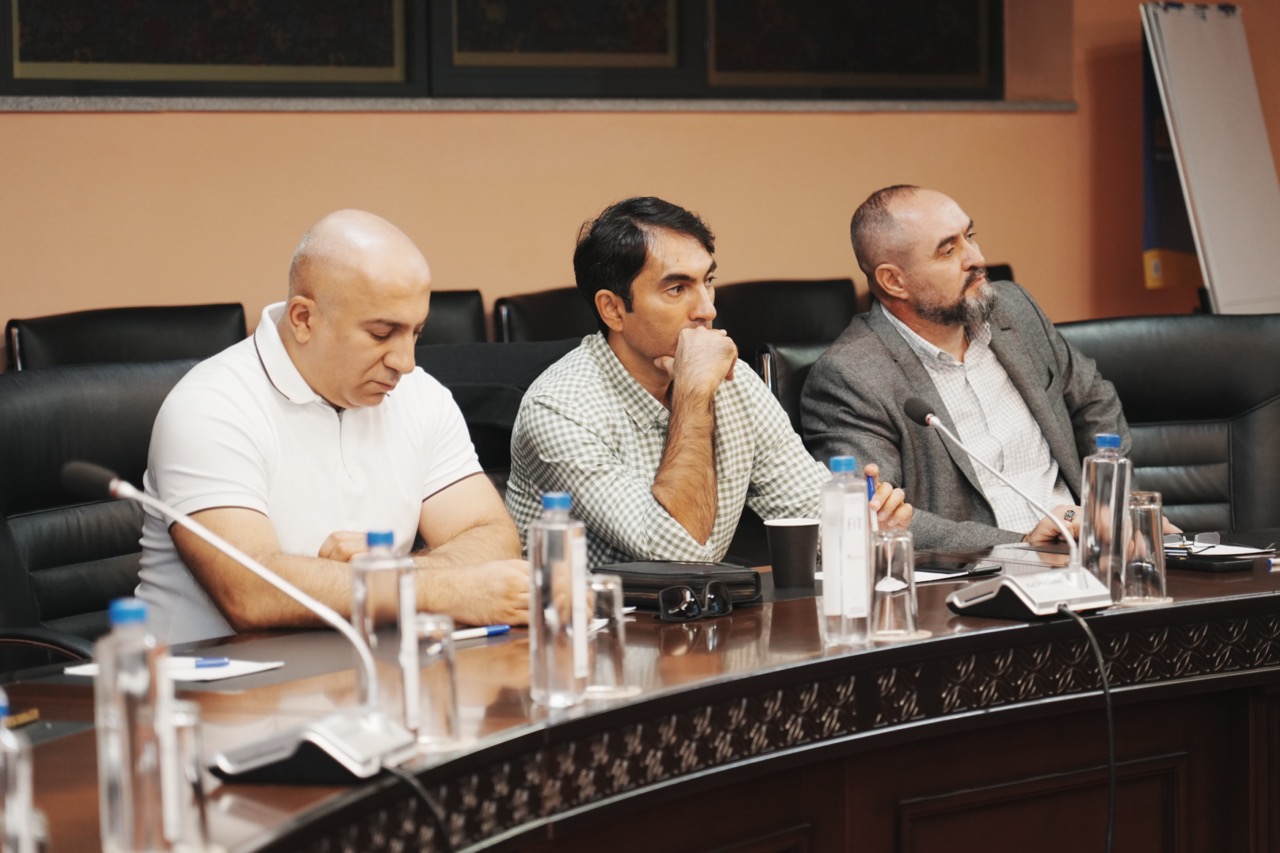
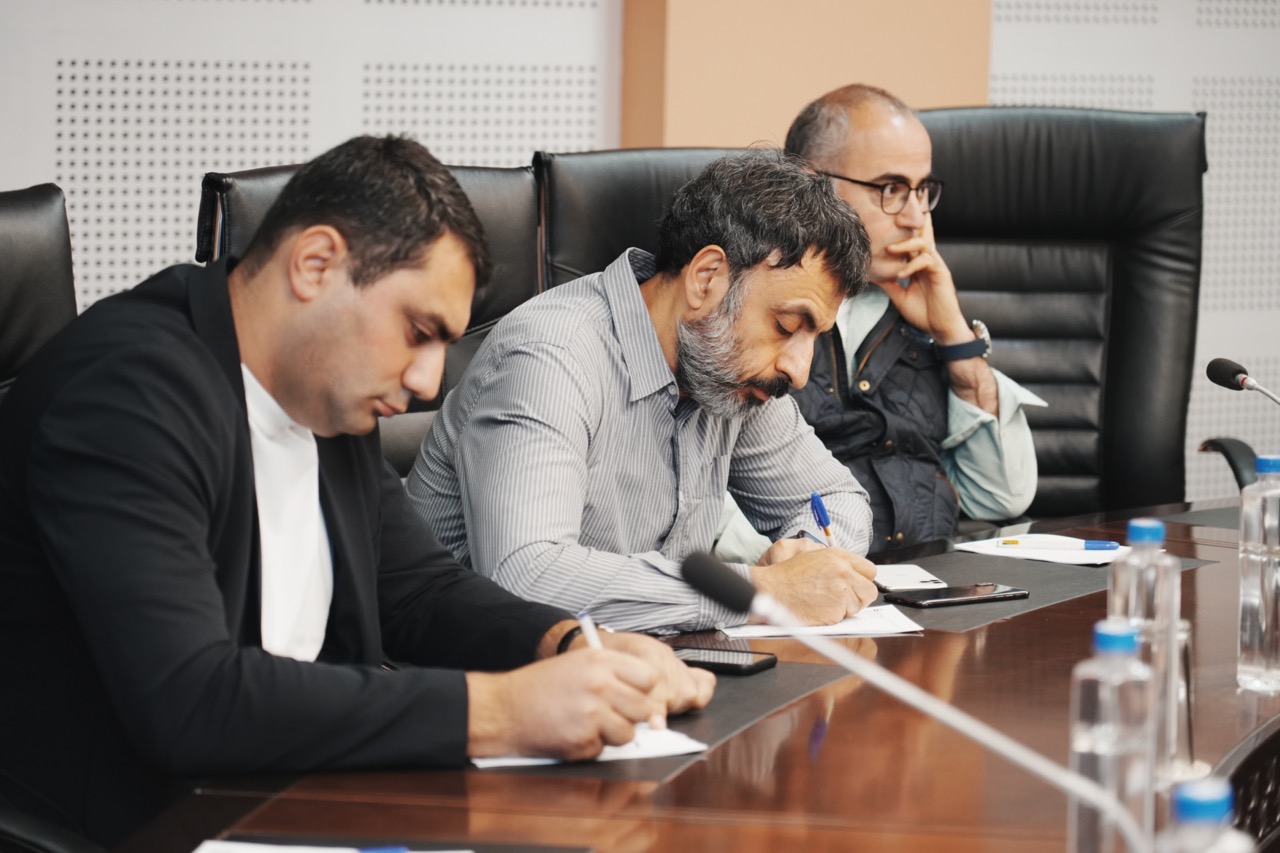
The event was organized by the ARAR Foundation, bringing together specialists from various fields to discuss a range of issues concerning the social realities of young people.
In his opening remarks, Armen Khachikyan, Director of the ARAR Foundation, emphasized the role of young people as active citizens and the Foundation’s interest in research of this kind.
“It is essential to understand how young people today think, what matters to them, and what does not. Equally important is identifying the reasons and motivations behind their relatively low levels of civic engagement, as they will be the decision-makers shaping our future.”
Khachikyan also noted that the ARAR Foundation conducts research in relevant fields and places particular importance on listening to young people’s perspectives.
Marina Galstyan also highlighted the importance of the research in identifying and examining the diverse needs and concerns of young people.
“The monograph examines young people’s educational pathways, employment opportunities, political and civic participation practices, lifestyles, and visions of the future in a rapidly changing social environment.”
Research Methodology
The study combined quantitative and qualitative research methods. A total of 1,000 young people participated in the survey. In addition, 10 focus group discussions and 15 individual interviews were conducted, involving 85 young people. The research also included document analysis and more than 10 expert consultation meetings. The sample included young people aged 13–35 from Yerevan and all regions of Armenia. Beyond describing young people as a social group, the research explores how the crises of recent years—including the COVID-19 pandemic, the 2020 war, post-war uncertainty, and the displacement of 2023—have shaped their life experiences, independence, and expectations for the future. The study focuses on six key thematic areas: identity, education, employment, civic participation, lifestyle, and future aspirations.Perceptions of Identity
The study shows that there is no single understanding of what it means to be young. Boys tend to perceive youth as a stage of life that begins and ends later, while girls tend to see it as beginning and ending earlier. For more than 30% of respondents, being young means taking responsibility for one’s decisions. Approximately 24% associate youth with strength and energy. The most significant challenges facing young people are financial difficulties and low income (63.2%), a lack of employment opportunities in the regions (32.5%), and a mismatch between education and employment (20.3%). Other concerns include uncertainty about the future, difficulties in acquiring housing, harmful habits, and related issues.Education and Employment
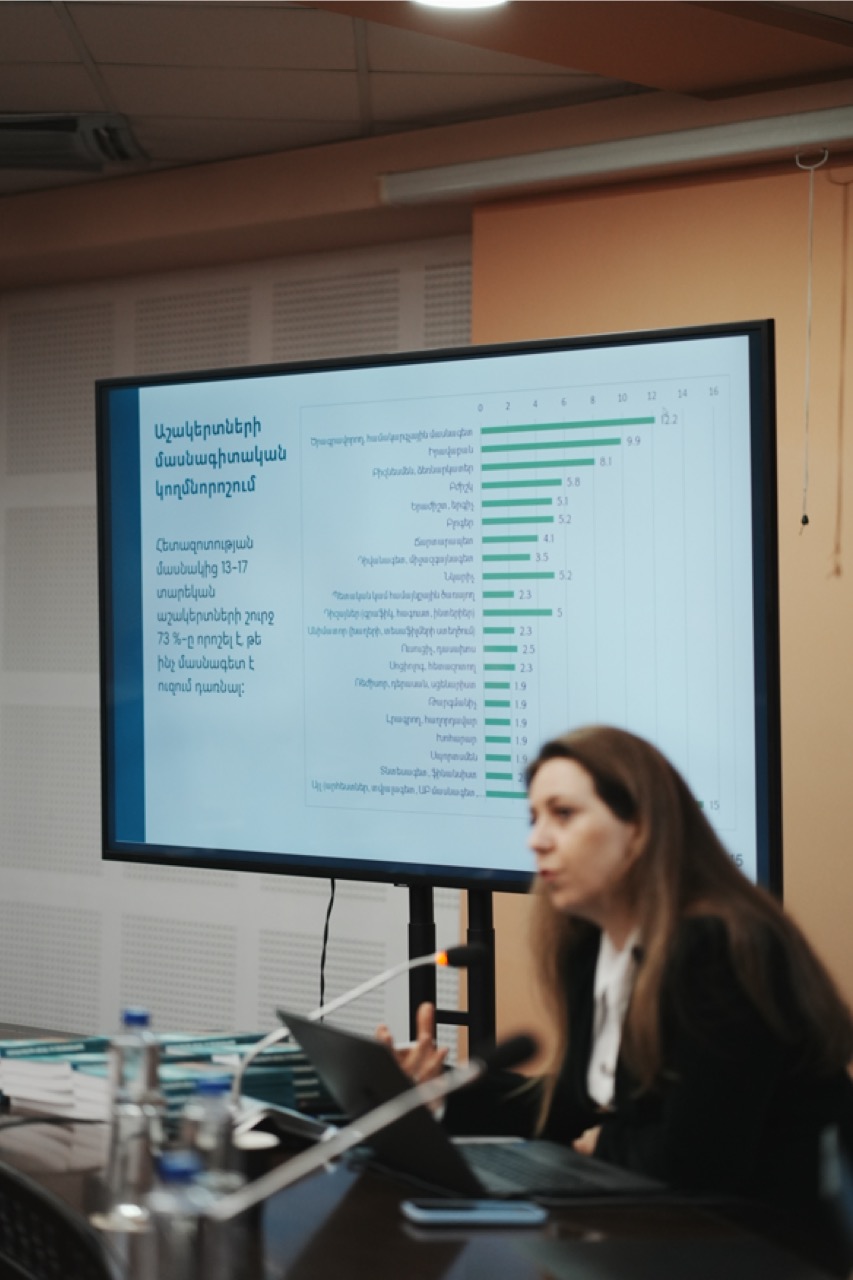
In the field of education, the study identifies shifts in professional interests. Interest in information technology and the arts has increased, while interest in business and economics remains consistently high. In contrast, interest in the physical and mathematical sciences has declined. Notably, 73% of students aged 13–17 have already decided what profession they would like to pursue. Nevertheless, the findings also indicate that choosing a profession is often a dynamic and evolving process that continues even after the completion of professional education. Learning beyond formal education is another important part of the picture. One-third of respondents (33%) participated in a short-term course during the previous year, with young people in Syunik and Tavush particularly active. The courses covered foreign languages, media and communication, computer skills, programming and information technology, accounting and finance, business planning, digital marketing, and advertising. Regarding employment, 46% of the young people surveyed had engaged in paid work during the preceding two weeks. Employment rates were higher among boys and increased with age. At the same time, people aged 15–24 had the highest unemployment rate compared with other age groups in Armenia. Employment rates were highest in Yerevan, followed by rural settlements, and lowest in regional towns. By region, higher employment rates were recorded in Yerevan, Aragatsotn, and Ararat, while the lowest were observed in Tavush and Armavir. Furthermore, 56.5% of employed young people had permanent, formally registered jobs, while 13.4% were engaged in temporary, unregistered employment. The overwhelming majority of those in the latter group were aged 18–22. One of the most noteworthy findings is that most employed young people do not work in their field of specialization. Of the respondents, 38.2% reported working outside their field of specialization, 26.5% worked in their chosen field, and 18.7% worked in a related field. Meanwhile, approximately one-third of students engage in paid work alongside their studies. This picture demonstrates that professional education does not automatically translate into employment in the corresponding field and that career orientation continues even after entering the labor market.Civic Participation
According to the findings, 57% of young people believe they can influence decision-making processes concerning issues important to their communities, whereas only 26% believe they can influence decisions at the national level. At the same time, most young people are interested in socio-political developments in Armenia and around the world, with 76% following events in Armenia and 64% following international developments. Together, these figures reveal an interesting pattern: young people demonstrate a high level of socio-political interest but perceive their ability to exert influence as more limited, particularly at the national level. Among forms of civic participation, volunteering is relatively common, while participation in civic movements records the lowest level.Lifestyle and Health
Approximately 41% of respondents rarely engage in physical activity or do not exercise at all. Those who exercise less frequently are predominantly young people with lower incomes, females, and individuals aged 30–35. Qualitative findings concerning leisure time reveal another important issue. For most young people, leisure is not an independently planned part of life; rather, it takes place in whatever time remains after their educational, professional, and family responsibilities have been fulfilled. Many describe their daily routines as “full” or “packed,” while leisure time is perceived as a brief interval between obligations. Moreover, having free time may itself be associated with anxiety for some young people. It becomes an opportunity for reflection, prompting some to avoid being unoccupied altogether.Perceptions of the Future
One of the study’s key conclusions is that some young people envision their future through a clearly defined educational and professional pathway: progressing from a bachelor’s degree to a master’s degree, then to doctoral studies, an academic career, professional advancement, or establishing their own business. In this context, education is perceived as a primary route to social advancement. At the same time, among various groups of young people, the future is more often understood as the outcome of individual effort rather than a pathway supported by the system. Regarding their goals for the next one to three years, 40.8% prioritize employment, 37% aim to achieve material well-being, and 35.4% identify education as a priority. Overall, the research reveals the contradictory realities facing the younger generation. On the one hand, young people continue to pursue education, acquire new skills, work, establish professional goals, and plan for the future. On the other hand, these plans are formed in a context of multiple crises, where career choices may change, employment may not correspond to educational qualifications, and civic interest may not translate into tangible influence. Following the presentation of the monograph, participants discussed the research findings and exchanged ideas and perspectives. Such meetings provide another opportunity to better understand young people’s needs and concerns, thereby contributing to the development of a more resilient society. The monograph was prepared within the framework of the project “Armenia’s Youth in Post-War Armenia: Research and Discourse,” implemented under the leadership of Marina Galstyan, Candidate of Sociological Sciences, in collaboration with the Center for Educational Research and Consulting. The project was made possible with the support of the Calouste Gulbenkian Foundation. The views and approaches expressed are solely those of the author and do not necessarily reflect the position of the Calouste Gulbenkian Foundation. Read the monograph: http://publishing.ysu.am/files/Marina_Galstyan.pdf